India’s first Test tour of Sri Lanka in nine years finally gets underway at Galle on August 15, and there’s something fitting about the timing — the opening ball will be bowled on India’s Independence Day, which is exactly the kind of coincidence Indian cricket commentary loves to milk for a full session. Beyond the symbolism, though, this two-match series carries genuine weight. It’s part of the ongoing 2025-27 World Test Championship cycle, both teams need the points, and India arrive here still trying to shake off the sting of a home series defeat to South Africa last year. Sri Lanka, for their part, have their own selection headaches heading into the series, with two of their most important batters ruled out before a ball has even been bowled.
So who actually decides this one? Let’s go through it, side by side.
Shubman Gill – The Captain With Something to Prove Again
Gill continues to lead the Test side, and Sri Lanka gives him a fascinating personal subplot before we even get to the team context. He needs 157 runs in this first Test to reach a milestone that, remarkably, neither Rohit Sharma nor Virat Kohli managed to hit at the same stage — the kind of stat broadcasters will flash up every time he walks out to bat, whether he wants the pressure or not. More broadly, this series matters for Gill because captaincy legitimacy in Indian cricket isn’t handed out, it’s earned series by series, and a home-turned-away combination like this — even if Sri Lanka technically counts as “away,” the conditions are hardly alien to Indian batters — is exactly the kind of assignment where a young captain either starts feeling like the job fits him or starts feeling the weight of comparisons to the men who came before. Gill’s own numbers have been excellent recently; the swagger with which he’s played spin in these sorts of low, turning conditions over the last year suggests this series should suit him more than most opponents would like.
KL Rahul – The Steadying Deputy
Named vice-captain for this tour, Rahul brings something India’s young top order occasionally lacks: unhurried composure against the new ball and against spin alike. His recent numbers — close to 900 runs in his last ten Tests at a healthy average — tell the story of a player who has quietly rebuilt his Test career into something close to indispensable, particularly at the top of the order alongside Yashasvi Jaiswal. With Sri Lankan pitches historically offering turn from day one, Rahul’s ability to play the ball late and use soft hands against spin could be the difference between India posting competitive first-innings totals and getting dragged into a low-scoring slugfest.
Yashasvi Jaiswal – The Opener Sri Lanka Will Fear Most
If there’s one Indian batter opposition bowling attacks genuinely dread bowling to right now, it’s Jaiswal. He plays spin the way most batters wish they could — using his feet decisively, picking length early, and punishing anything remotely short with a ferocity that can change a session’s momentum in twenty minutes. Sri Lanka’s attack, built heavily around left-arm orthodox spin through Prabath Jayasuriya, will need a plan for him that doesn’t simply rely on hoping he has an off day. Jaiswal has looked increasingly like a batter built for exactly these conditions, and this series is a chance for him to add another entry to what’s already shaping up to be a genuinely special young Test career.
Ravindra Jadeja – The Comeback That Changes India’s Balance
Jadeja’s return after recovering from the tennis elbow injury he picked up during IPL 2026 is arguably the single biggest team-balance story of this squad announcement. His absence had been quietly costing India both control and depth — left-arm spin that ties an end down, lower-order runs that have bailed India out more times than casual fans probably remember, and fielding that remains some of the best in world cricket regardless of his age. On surfaces expected to turn, having Jadeja back alongside Kuldeep Yadav gives India a spin attack with genuine variety rather than one that leans entirely on one method. Watch how the team management uses him — as a strike option, a containing option, or, most likely, both depending on the match situation.
Kuldeep Yadav – The Wicket-Taker India Need in These Conditions
Kuldeep’s wrist-spin offers something none of India’s other spinners can — genuine unpredictability, the kind that troubles even well-set batters because the ball can go either way off the pitch. On surfaces that are expected to assist spin from early on, Kuldeep is realistically India’s most likely wicket-taker across both Tests. The concern, as it’s always been with him, is control on the days when things aren’t quite clicking. But when conditions favour him this much, the upside far outweighs the risk, and India will almost certainly build a chunk of their bowling strategy around getting the ball into his hands as early and as often as possible.
Sarfaraz Khan and Devdutt Padikkal – The Middle-Order Audition
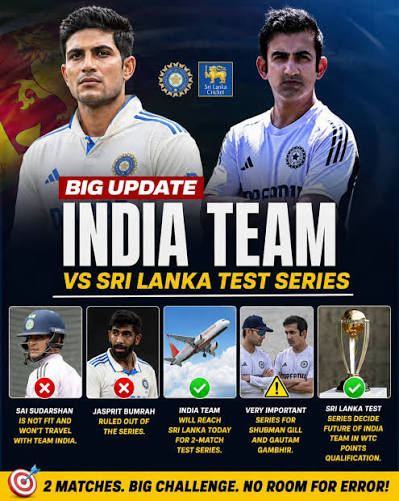
With Sai Sudharsan withdrawn and unavailable, India’s middle order has an opening that both Sarfaraz Khan and Devdutt Padikkal will be fighting over. Padikkal arrives with real momentum, having scored a century in the warm-up fixture before the series, while Sarfaraz returns to the squad after two years away, carrying a first-class average that’s simply too good to keep ignoring and a game built almost perfectly for these conditions. Whoever gets the nod in the XI, this is a story worth following closely — not just for the runs either man might score, but for what their selection says about how India wants to build its middle order heading into the next few years of the WTC cycle.
Rishabh Pant and Dhruv Jurel – Competition Behind the Stumps
Pant remains one of the most destructive match-winners in world cricket when he’s fully fit and firing, capable of turning a defensive session into a chase-defining assault inside an hour. Jurel, meanwhile, has continued to make a strong case for himself with the gloves and the bat whenever given the opportunity. Sri Lanka’s conditions — turning, occasionally low bounce — tend to reward wicketkeeper-batters who can play spin off the back foot and manufacture runs when the situation gets sticky, and both these players have shown they can do exactly that.
Mohammed Siraj and Auqib Nabi – Carrying the Pace Attack Without Bumrah
Jasprit Bumrah’s absence, ruled out with a left knee injury sustained during the ODI series against England, is a genuine blow, and there’s no real way to sugarcoat that. Siraj now steps up as the clear senior pace option, and his recent numbers — 40 wickets across his last ten Tests at a tidy economy — suggest he’s more than capable of leading an attack on his own for a short series like this. The bigger story might be Auqib Nabi, the uncapped pacer from Jammu and Kashmir earning his maiden call-up on the back of strong domestic performances. Test debuts away from home, in conditions that don’t traditionally favour fast bowling, are never easy assignments, but every Indian pace bowler over the last decade has had to earn stripes exactly this way. Worth keeping an eye on how much support role he’s handed versus a genuine chance to make an impact.
Dhananjaya de Silva – Leading a Weakened Sri Lankan Side
On the other side, captain Dhananjaya de Silva walks into this series without two of his most important batters. Pathum Nissanka, fresh off an IPL stint with Delhi Capitals, and Kusal Mendis are both unavailable, which is about as unwelcome a pre-series blow as a home captain can receive against a strong touring side. De Silva himself remains Sri Lanka’s most experienced batting hand in these conditions and will need to lead from the front with the bat as much as with tactics, particularly given how thin his batting order suddenly looks on paper.
Kamindu Mendis and Dinesh Chandimal – The Batting Backbone
With Nissanka and Mendis out, the responsibility for Sri Lanka’s batting shifts heavily onto Kamindu Mendis, who has built a genuinely excellent record in home conditions over the last couple of years, and the veteran Dinesh Chandimal, whose experience against high-quality spin and pace alike gives Sri Lanka a steadying middle-order presence they’ll desperately need. Lahiru Udara rounds out the core of what’s now a considerably thinner batting lineup than Sri Lanka would have liked heading into a series against a strong Indian attack.
Prabath Jayasuriya – Sri Lanka’s Best Hope With the Ball
If Sri Lanka are going to trouble this Indian batting line-up, it will very likely be through Jayasuriya. His record at home is genuinely formidable — the kind of left-arm spin that’s picked up hauls of wickets against sides far more experienced against turning tracks than a young Indian top order still building its overseas and away-from-home résumé. Expect him to bowl heavy overs across both Tests, and expect India’s batters to spend a fair amount of time in the nets specifically working out plans against him.
Asitha Fernando, Lahiru Kumara and Vishwa Fernando – The Pace Trio
Sri Lanka’s pace attack, likely to be led by Asitha Fernando alongside Lahiru Kumara and Vishwa Fernando, doesn’t carry quite the same threat as their spin department on these surfaces, but early morning conditions at Galle can occasionally offer a bit of seam movement, and India’s top order can’t afford to treat the new ball casually just because spin dominates the broader narrative heading into this series.
Niroshan Dickwella – A Recall Worth Watching
With Kusal Mendis out, Sri Lanka are reportedly considering bringing back veteran wicketkeeper Niroshan Dickwella ahead of the younger, in-form Anjala Bandara, who averages over 60 in first-class cricket. It’s the kind of selection call that tends to spark debate either way — experience versus form — and how it plays out could shape the tone of Sri Lanka’s series.
The Bigger Picture
India haven’t lost a Test series in Sri Lanka in seventeen years, and Sri Lanka’s last home series win over India goes all the way back to 2008. That history alone tells you which side arrives with the bigger reputation to protect. But reputations don’t score runs or take wickets, and with Sri Lanka missing two frontline batters and India still adjusting to life without Bumrah, this series has more genuine uncertainty built into it than the head-to-head record might suggest. Two Tests isn’t a lot of time for either team to find its rhythm, which means individual moments — a Jaiswal counterattack, a Jayasuriya spell, a Sarfaraz innings finally answering two years of unanswered questions — could end up deciding far more than either camp’s overall depth.